Tag: middle income side hustle

  • Affiliate Marketing: Your Comprehensive Guide to Earning Passive Income in 2026 with Minimal Investment

    Affiliate Marketing: Your Comprehensive Guide to Earning Passive Income in 2026 with Minimal Investment

    Affiliate Marketing: Your Comprehensive Guide to Earning Passive Income in 2026 with Minimal Investment

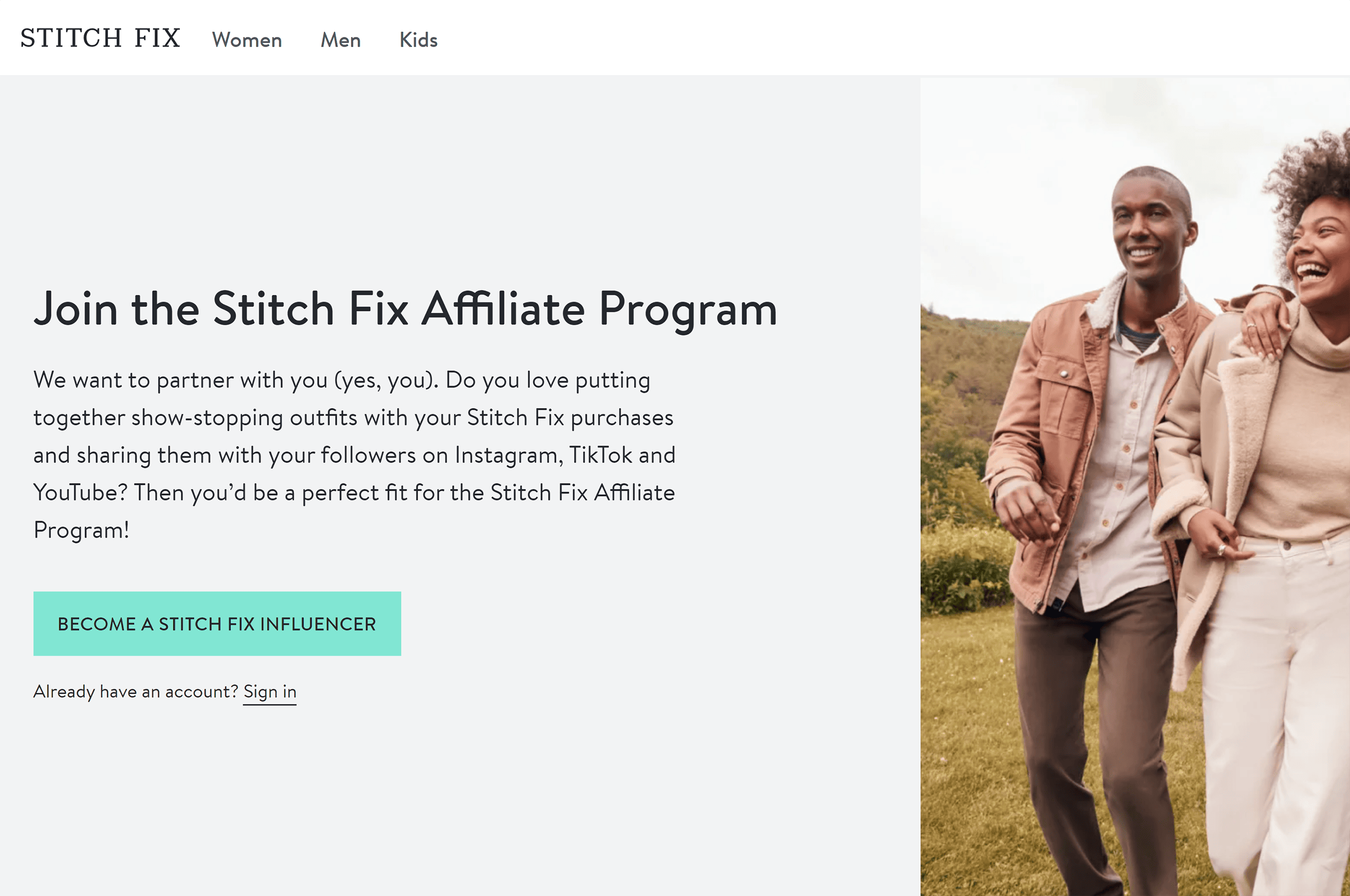
    In the ever-evolving landscape of online opportunities, affiliate marketing stands out as a beacon for middle-income individuals worldwide seeking financial stability and growth. From bustling metropolises in Southeast Asia to quiet towns in Latin America and Europe, this business model empowers everyday people to generate income without massive capital or inventory hassles. At WealthWise Global, we champion strategies that foster long-term wealth, and affiliate marketing aligns seamlessly with our focus on resilient, accessible paths to prosperity. Whether you’re an office worker in Nigeria looking to boost your earnings or a stay-at-home parent in the United States exploring side hustles, affiliate marketing can turn your online presence into a steady revenue source. As we step into 2026, with digital commerce exploding, this guide will unpack everything you need to know—from basics to advanced tactics—to launch and scale your affiliate journey effectively.

    Affiliate marketing is a performance-based system where you promote products or services from other companies and earn commissions for every sale, lead, or action generated through your unique referral links. It’s like being a digital salesperson without handling stock, shipping, or customer support. According to industry reports, the global affiliate marketing market is expected to reach $27 billion by 2027, with significant growth projected for 2026 due to rising e-commerce and influencer trends.

    Affiliate Marketing Market Growth Chart for 2026 and beyond
    This chart highlights the market’s upward trajectory, showing how accessible tools and platforms are democratizing this space.

    For middle-income earners, this means starting with zero upfront costs—just your time, a computer, and internet access—making it a low-barrier entry point into entrepreneurship.

    What makes affiliate marketing so attractive for middle-income households globally? In times of economic volatility, with costs rising everywhere from Brazil to Bangladesh, it offers flexibility to earn extra without disrupting your primary job. You can work from home, set your own hours, and scale at your pace. Unlike traditional businesses, there’s no need for product creation or storage; you leverage established brands like Amazon, ClickBank, or ShareASale. WealthWise Global views it as a cornerstone of passive income, akin to our recommendations on real estate investing or dividend portfolios, because once your content ranks or your audience grows, commissions flow in automatically. The risk is minimal—if a campaign flops, you pivot without financial loss. This appeals to those with limited budgets, transforming hobbies like blogging or social media into profitable ventures that build financial independence over time.

    To grasp how affiliate marketing works, let’s break it down simply. You join an affiliate program, get approved, and receive unique tracking links. Then, you create content—blog posts, videos, social media updates, or emails—recommending products you genuinely like. When someone clicks your link and makes a purchase, the merchant tracks it and pays you a commission, often 5-50% of the sale. For instance, promoting a $100 gadget could net you $20 per referral. In 2026, AI tools are enhancing this by automating content creation and audience targeting, making it easier for non-experts to compete. Platforms integrate seamlessly with websites via plugins, ensuring smooth tracking and payments, often in multiple currencies for global participants.

    The advantages of affiliate marketing extend well into creating sustainable wealth. Primarily, it’s a pathway to passive income; high-quality evergreen content can generate earnings months or years later, freeing you from constant hustle. For middle-income families managing tight budgets in countries like Indonesia or Mexico, this means supplementing income without high risks. It’s eco-friendly too, as it promotes digital products over physical ones, reducing your carbon footprint. Profit potential is vast—top affiliates earn six figures annually—but even beginners can hit $500-2000 monthly with consistency. Customization is key; target niches like health, tech, or fashion that resonate with your audience, whether in Africa, Europe, or North America. No borders limit you—promote to a worldwide market from your living room. Platforms handle payouts reliably, often via PayPal or bank transfers, minimizing overhead.

    Let’s look at some inspiring examples of affiliate marketing products to get your creative juices flowing. Books on personal development, electronics like wireless earbuds, and clothing items such as sustainable apparel are perennial favorites.

    Popular affiliate marketing product categories and examples
    This image showcases popular product categories, illustrating how diverse options cater to various interests.
    High commission gadgets and electronics for affiliate promotion
    Here’s an example of unique gadgets that affiliates love promoting for high commissions.
    Trendy sustainable clothing and fashion affiliate products
    And this displays trendy clothing lines, perfect for fashion niches.

    These visuals demonstrate how everyday items can become lucrative through strategic promotion.

    If you’re eager to start affiliate marketing in 2026, here’s a beginner-friendly step-by-step guide designed for those with modest resources. Step one: Select your niche. Choose something you’re passionate about—fitness for active lifestyles or budgeting tools for financial savvy folks. Use free tools like Google Keyword Planner to research demand and competition; aim for global appeal with universal topics like travel or parenting that cross cultural boundaries.

    Step two: Join affiliate programs. Start with user-friendly networks like Amazon Associates for broad products, Commission Junction for variety, or WarriorPlus for digital goods. Sign-up is free, and approval is quick for most. Focus on programs with recurring commissions for ongoing passive income.

    Step three: Build your platform. Create a blog on WordPress (free tier available) or use social media like Instagram or YouTube. No coding needed—templates make it simple. Optimize for SEO from the start with keywords like “best affiliate marketing programs for beginners.”

    Step four: Create compelling content. Write reviews, tutorials, or lists that solve problems. Use free tools like Canva for visuals and Grammarly for polishing. Disclose affiliations transparently to build trust, as required by laws in many countries. For stunning graphics, banners, and landing pages without design skills, Canva Pro is a game-changer many affiliates swear by: Canva Pro 1-Year Subscription.

    Person designing affiliate banners and graphics with Canva Pro
    Canva Pro helps beginners create eye-catching visuals quickly for better conversions.

    Step five: Drive traffic and promote. Share on social channels, join forums, or use email lists via free services like MailerLite. Track performance with built-in analytics to refine your approach. Privacy and security are crucial when handling traffic—protect your IP and bypass geo-restrictions with a reliable VPN like this one: NordVPN – 2-Year Plan.

    Secure laptop setup with VPN for affiliate marketing privacy
    NordVPN keeps your affiliate activities private and unlocks global opportunities.

    To stand out in affiliate marketing, prioritize value and authenticity. Research products thoroughly—test them if possible—to provide honest insights. Use storytelling to engage readers; share personal experiences that resonate with middle-income audiences facing similar challenges. For global reach, translate content or use multilingual SEO. In 2026, incorporate emerging trends like voice search optimization and short-form video on TikTok to capture younger demographics.

    Effective marketing is the engine of success in this field. Organic SEO reigns supreme: target long-tail keywords such as “how to make passive income with affiliate marketing in 2026” or “affiliate marketing ideas for middle-income earners.” Content upgrades like free e-books can boost sign-ups. Paid options, like Facebook ads, should be budget-friendly—start small at $5/day targeting emerging markets. Build an email list for repeat engagement, nurturing leads with valuable newsletters. Collaborate with other affiliates or influencers for cross-promotion, expanding your reach without extra cost. To master SEO and rank higher, this beginner-friendly book is a must-have: Ahrefs SEO Tools for Beginners Book.

    SEO tools and analytics dashboard for affiliate marketing success
    Learn SEO fundamentals to drive free traffic and boost affiliate commissions.

    Scaling your affiliate marketing business requires smart strategies. Once you see consistent commissions, automate with tools like Zapier for workflows. Diversify across multiple programs and niches to mitigate risks. Invest in premium content creation, perhaps outsourcing to freelancers on Fiverr for affordable help. Aim for evergreen assets—timeless guides that rank well year-round. WealthWise Global encourages portfolio diversification, so pair affiliate efforts with other passive streams like stock investments for balanced growth.

    Success stories abound, proving affiliate marketing’s viability for ordinary people. Consider Maria from Spain, a middle-income teacher who started promoting educational tools; she’s now earning $3,000 monthly passively. Or Ahmed in Egypt, who scaled his tech review blog to five figures using YouTube.

    Person working from home on affiliate marketing setup
    This image captures the home-based setup many affiliates enjoy.
    Successful remote work home office for affiliate marketer
    Another view of successful remote work, inspiring anyone to start.

    In summary, affiliate marketing offers an empowering route to passive income and wealth building for middle-income individuals around the world. With its low entry costs, scalability, and alignment to WealthWise Global’s resilient strategies, it’s a smart choice for 2026 and beyond. Begin modestly, remain persistent, and let your efforts compound into lasting prosperity. Ready to dive in? Sign up for a program today and start promoting. For more wealth-building tips, head to wealthwiseglobal.org.

    Disclosure: This post contains affiliate links. If you purchase through them, we may earn a small commission at no extra cost to you.

  • Print on Demand: Your Ultimate Guide to Building Passive Income in 2026 with a Low-Cost Business Model

    Print on Demand: Your Ultimate Guide to Building Passive Income in 2026 with a Low-Cost Business Model

    Print on Demand: Your Ultimate Guide to Building Passive Income in 2026 with a Low-Cost Business Model

    In today’s fast-paced digital world, achieving financial independence doesn’t require massive upfront investments or complex operations. For middle-income earners around the globe—from bustling cities in Asia to suburban homes in Europe and North America—print on demand (POD) emerges as a game-changer. This innovative business model allows you to create and sell custom products without ever touching inventory, making it an ideal path to passive income. At WealthWise Global, we focus on timeless strategies for sustainable wealth building, and print on demand fits perfectly into our ethos of resilient, low-risk opportunities. Whether you’re a teacher in India supplementing your salary or a freelancer in Brazil seeking side hustle ideas, POD can transform your creative ideas into steady revenue streams. Let’s dive deep into what print on demand is, why it’s booming in 2026, and how you can start your own profitable venture.

    Print on demand is essentially a fulfillment method where products like t-shirts, mugs, posters, and apparel are printed only after a customer places an order. This eliminates the need for stockpiling goods, reducing risks and costs dramatically. According to recent market statistics, the global print on demand industry is projected to surpass $20 billion by 2030, driven by e-commerce growth and consumer demand for personalized items.

    Print on Demand Market Growth Chart showing explosive industry expansion

    This chart illustrates the explosive growth of the print on demand market.

    For middle-income individuals, this means entering a market with minimal barriers— no need for expensive equipment or warehouses. Instead, you partner with POD providers who handle printing, shipping, and even customer service, allowing you to focus on what you do best: designing and marketing.

    Why is print on demand particularly appealing for middle-income earners worldwide? In an era of economic uncertainty, with inflation affecting households from Mexico to Malaysia, POD offers a flexible way to generate extra income without quitting your day job. Starting costs can be as low as $0 if you use free design tools and integrate with e-commerce platforms like Shopify or Etsy. It’s global by nature—your designs can reach customers in over 200 countries through international shipping networks. Imagine a graphic designer in the Philippines creating culturally inspired apparel that sells to buyers in the US or Europe, all while earning royalties passively. WealthWise Global emphasizes passive income strategies like this, similar to our insights on dividend stocks or digital product sales, because they build long-term financial resilience. Unlike traditional retail, POD has no inventory waste; if a design doesn’t sell, you lose nothing. This low-risk profile makes it perfect for those with limited savings, turning hobbies into profitable businesses.

    Understanding how print on demand works is crucial for anyone looking to start. The process begins with your creative input: you design graphics, slogans, or artwork using tools like Canva or Adobe Illustrator. Once uploaded to a POD platform such as Printful, Printify, or Teespring, these designs are applied to blank products. When a customer buys from your online store—say, a custom mug with a motivational quote—the provider prints it on demand, packages it, and ships it directly. You pocket the profit margin, which you set yourself. For example, a t-shirt costing $10 to produce might sell for $25, giving you a $15 profit per sale. This seamless integration with e-commerce giants ensures scalability; as your sales grow, the system handles the load without you lifting a finger. In 2026, advancements in AI-driven design tools are making this even easier, allowing non-designers to generate professional graphics quickly.

    The benefits of a print on demand business extend far beyond simplicity. First and foremost, it’s a source of passive income once set up—designs can sell repeatedly without ongoing effort, aligning with WealthWise Global’s principles of sustainable growth. For middle-income families juggling bills and aspirations, this means financial freedom without high stakes. Environmentally, POD reduces waste compared to mass production, appealing to eco-conscious consumers globally. Profit margins typically range from 20-50%, depending on your pricing and niche. Plus, it’s highly customizable; you can target specific audiences, like fitness enthusiasts in Australia or book lovers in the UK, with tailored products. No geographical limits mean you can operate from anywhere with internet access, making it ideal for remote workers in developing economies. Risks are minimal: no unsold stock, no large loans needed, and platforms often offer mockup generators to visualize products before launch.

    Now, let’s explore some real-world examples of print on demand products to spark your inspiration. Custom t-shirts remain a bestseller, perfect for niche markets like pet owners or hobby groups.

    Vibrant examples of custom print on demand t-shirts

    Here’s a vibrant example of custom t-shirts that could be your next hit design.

    Trendy t-shirt designs for print on demand

    Mugs with witty quotes or personalized messages are low-cost entry points, while posters and wall art cater to home decor trends.

    Personalized coffee mugs as popular print on demand products

    Mugs like these are evergreen sellers, especially during holidays.

    Custom wall art and posters for print on demand

    And posters add an artistic touch, appealing to global audiences seeking unique home accents.

    These visuals show how everyday items become profitable through personalization.

    If you’re wondering how to start a print on demand business in 2026, follow this step-by-step guide tailored for beginners with modest budgets. Step one: Choose your niche. Focus on passions or trends—think eco-friendly apparel for sustainability fans or motivational gear for entrepreneurs. Research using tools like Google Trends or Etsy search to identify demand without oversaturation. For global appeal, consider universal themes like family, travel, or humor that transcend borders.

    Step two: Create or source designs. You don’t need to be an artist; free tools like Canva offer templates, and AI generators like Midjourney can produce custom graphics. Aim for originality to avoid copyright issues—simple, bold designs perform best.

    Step-by-step infographic on how to start print on demand business

    This infographic outlines the basics, making the process visually clear.

    Step three: Select a POD platform. Popular options include Printful for its wide product range and global shipping, Printify for competitive pricing, or Redbubble for artist-focused marketplaces. Compare based on fees, quality, and integration—most offer free sign-ups. For middle-income starters, choose ones with no monthly costs.

    Step four: Set up your online store. Integrate with Shopify (starting at $29/month) or use free alternatives like WooCommerce. Add your products with high-quality mockups, set prices, and optimize listings with SEO keywords like “custom print on demand t-shirts” or “affordable personalized mugs.”

    Step five: Market your products. Leverage social media—Instagram and Pinterest are goldmines for visuals. Run targeted ads on Facebook, focusing on middle-income demographics in emerging markets. Email marketing via tools like Mailchimp builds loyalty. Collaborate with influencers in your niche for exposure.

    To make your designs stand out, invest time in trends and quality. Use color psychology—vibrant hues for energy, neutrals for elegance. Ensure scalability; vector files work best for printing. Test small batches via samples from your provider to guarantee quality. For global reach, offer multilingual descriptions and currency conversions.

    Marketing is where many POD businesses thrive or falter. Organic SEO is key: optimize your store with long-tail keywords like “how to start print on demand business for beginners” or “best passive income ideas with print on demand in 2026.” Content marketing—blog posts on WealthWise Global-style topics like “Turning Creativity into Cash Flow”—drives traffic. Paid ads should target middle-income groups, emphasizing affordability and customization. Build a community on platforms like Reddit or TikTok, sharing behind-the-scenes stories to engage audiences worldwide.

    Scaling your print on demand business involves automation and expansion. Once you hit consistent sales, outsource designs via freelancers on Upwork. Diversify products—add hoodies, phone cases, or tote bags. Analyze data from your platform to refine winners. For passive income maximization, set up evergreen designs that sell year-round, like holiday-themed items timed for global festivities. WealthWise Global advocates for diversified portfolios, so combine POD with other streams like affiliate marketing.

    Real success stories highlight POD’s potential. Take Sarah from Canada, a middle-income mom who started with niche parenting quotes on mugs; she’s now earning $5,000 monthly passively. Or Raj in India, who scaled his travel-inspired posters to a six-figure business using Etsy.

    Person working from home on print on demand business

    This image captures the essence of working from home, just like these entrepreneurs.

    Successful home office setup for print on demand business

    Another inspiring view of a successful POD setup, proving anyone can do it with dedication.

    In conclusion, print on demand represents a accessible gateway to financial independence for middle-income earners globally. With low entry barriers, high scalability, and alignment to passive income principles at WealthWise Global, it’s more than a business—it’s a lifestyle shift. Start small, stay consistent, and watch your designs fuel your wealth journey in 2026 and beyond. Ready to launch? Explore platforms today and turn your ideas into income. For more strategies on building resilient wealth, visit wealthwiseglobal.org.

  • Unlock Passive Income in 2026: Selling E-Books, Digital Planners, and Notion Templates for Middle-Income Earners

    Unlock Passive Income in 2026: Selling E-Books, Digital Planners, and Notion Templates for Middle-Income Earners

    Unlock Passive Income in 2026: Selling Digital Products Like E-Books, Planners, and Notion Templates

    In the fast-evolving digital world of 2026, selling digital products remains one of the smartest ways for middle-income earners to generate passive income. No inventory, no shipping—just create once and sell globally forever. At WealthWise Global, we empower everyday people with practical strategies for financial growth. This comprehensive guide covers e-books, printable planners, and Notion templates: high-demand digital downloads that can add hundreds or thousands to your monthly income.

    Professional digital products banner for passive income 2026 Minimalist website banner for selling digital downloads

    Why Digital Products Are Perfect for Middle-Income Side Hustles

    • Zero Overhead Costs: Use free tools to create and sell instantly.
    • True Passive Income: Earn while you sleep as customers from around the world download your files.
    • Scalable & Global: Sell the same product unlimited times to buyers in the US, Europe, Asia, and beyond.
    • Low Risk, High Reward: Many creators earn $500–$5,000+ per month with consistent effort.

    The digital downloads market continues to grow rapidly, making it accessible for anyone with knowledge or creativity to share.

    Creating Your First Digital Product

    Start with what you know—personal finance, productivity, health, or hobbies.

    E-Books: Turn Knowledge into Recurring Revenue

    E-books are evergreen bestsellers on topics like budgeting, side hustles, or skill guides. Price them at $7–$29.

    Tips for success:

    • Write 30–100 pages using Google Docs or Canva.
    • Focus on searchable topics like “passive income for beginners 2026.”
    • Design professional covers to stand out.

    Stunning e-book cover examples that drive sales:

    Modern e-book cover design for personal finance Creative productivity e-book cover example Attractive pink themed e-book cover Professional e-book cover for skill guides

    Printable Planners: High-Demand Organization Tools

    Digital planners (PDFs) for daily, weekly, monthly, or yearly use are hugely popular. Update annually for repeat buyers—perfect for 2026!

    Creation steps:

    • Design in Canva with aesthetic layouts.
    • Include hyperlinked tabs for digital use or printable versions.
    • Keywords: “2026 digital planner PDF,” “aesthetic printable planner.”

    Beautiful and functional planner examples:

    2026 digital planners collection aesthetic Stylish 2026 digital planner PDF example Best digital planners 2026 layouts Printable weekly planner aesthetic design

    Notion Templates: Productivity Powerhouses

    Notion templates for dashboards, habit trackers, or project management sell for $15–$99. They’re customizable and viral among remote workers.

    How to create:

    • Build in Notion’s free plan.
    • Add databases, widgets, and aesthetics.
    • Share duplicate links for instant delivery.

    Top-performing Notion template screenshots:

    Notion productivity dashboard and habit tracker template Advanced Notion habit tracker dashboard Minimal Notion habit tracker template Clean Notion productivity template example

    Best Platforms to Sell Digital Downloads in 2026

    Best platforms Etsy Gumroad Shopify for digital products Top platforms to sell digital downloads 2026
    • Etsy: Beginner-friendly with massive traffic.
    • Gumroad/Sellfy: Simple setup, low fees, email list building.
    • Your Website (Shopify/WordPress): Full control and branding.

    Support global payments and automatic delivery.

    Marketing & SEO Tips for Maximum Reach

    • Optimize listings with keywords: “digital planner 2026 download,” “Notion template productivity,” “e-book passive income.”
    • Promote on Pinterest, Instagram, TikTok, and YouTube.
    • Build an email list with free lead magnets.
    • Use Google-friendly content: detailed descriptions, previews, and FAQs.

    Start Your Digital Product Journey Today

    Middle-income creators worldwide are building wealth this way—no fancy equipment needed. Pick one product type, create your first version this week, and launch. Track progress and scale up.

    For more timeless wealth strategies, explore WealthWise Global.

    SEO Keywords: sell digital products online 2026, passive income digital downloads, e-book ideas for beginners, printable planner 2026, Notion templates for sale, make money selling planners, global side hustle digital products.