Tag: wealth building strategies

  • The $500/Week Roadmap: Mastering the 2026 Gig Economy for Financial Breathing Room

    The $500/Week Roadmap: Mastering the 2026 Gig Economy for Financial Breathing Room

    The “Breathing Room” Economy: Why a Side Hustle is Your 2026 Lifeboat

    In 2026, the global economy has sent a clear message to the middle class: a single paycheck is no longer a fortress. If you are earning between $50,000 and $100,000 annually, you are likely part of the “squeezed middle”—a group where rent increases, rising grocery bills, and inflation have turned a decent salary into a survival budget. Small dreams, like buying new sports shoes for your children or taking a long-overdue vacation, often feel like they are being pushed out of the budget.

    What is “Breathing Room”?

    This isn’t about getting rich overnight or becoming a “hustle culture” influencer. It’s about creating a financial buffer. For ordinary people with families and bills, earning an extra $500 a week is the difference between constant stress and the ability to breathe easily.

    $500/Week Target Extra Income
    10-15 Hours Flexible Time Input
    2026 Era The Era of Smart Apps
    Person planning budget and gig economy work

    Technology in 2026 has made entering the gig economy easier than ever. Apps are smarter, payments are faster (sometimes same-day), and the barriers to entry are low. You can work from your car, your couch, or even while doing your own grocery shopping. Based on real experiences from everyday workers—not just polished social media stars—we’ve mapped out what it truly takes to succeed without losing your sanity.

    The path to $500 a week is not a miracle; it is a tool. It requires choosing the right platform for your life, your city, and your energy levels. Whether you are paying off credit card debt or building a vacation fund, the gig economy is now the most realistic way for the middle class to reclaim their financial freedom.

    The Mobility Empire: Mastering Uber & Lyft for Rapid Returns

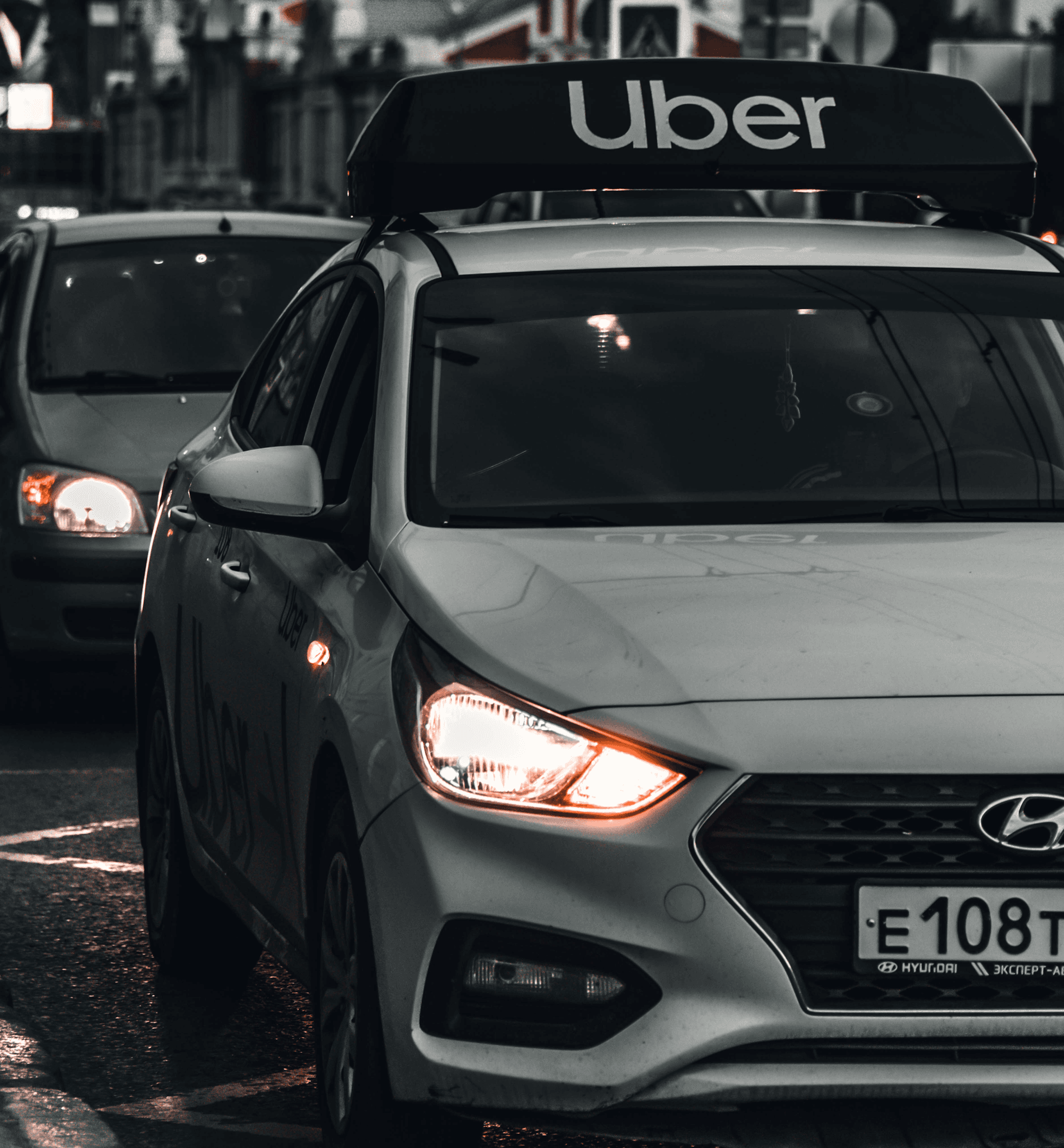
    If you own a reliable vehicle, you are sitting on a potential $2,000-a-month asset. In 2026, ride-sharing remains the most direct path to the $500 weekly goal. However, the days of aimless driving are over. To hit your target without burning out, you must treat your car like a tactical business unit, not just a taxi.

    Surge Engineering

    Earning $150-$200 in a single evening is possible, but only if you time it right. Focus on “Gold Hours”: Friday nights, local concert exits, and early morning airport runs. These are the windows where surge pricing and higher tips align to maximize your hourly rate.

    The Service Advantage

    In 2026, ratings are everything. A clean car and a professional attitude aren’t just polite—they are financial requirements. Top-rated drivers see higher-value bookings and significantly more tips, which can account for up to 30% of your total weekly income.

    Uber driver using smartphone in car

    Managing the Hidden Costs

    As highlighted by real users in our community, your biggest enemies are vehicle depreciation and fuel costs. Driving late at night or through heavy traffic wears down your tires and engine faster than standard use. Successful gig workers set aside a portion of every week’s earnings for a “Maintenance Fund” to avoid being blindsided by repair bills that wipe out their profits.

    “I started driving to pay off a credit card debt. My secret? I never drive during low-demand hours. I’d rather stay home with my kids and wait for the surge than earn $12 an hour fighting city traffic.” — Real Driver Insight from 2026.

    While ride-sharing is fast, it’s not for everyone. Dealing with passengers late at night or navigating city surges can be exhausting. If you’d rather keep your car empty but still want to use its power, there’s a different, more “quiet” way to earn that $500.

    Delivery & Personal Shopping: Passive Vehicle Income Without Passengers

    If the idea of strangers in your backseat doesn’t appeal to you, the 2026 delivery market offers a quieter, more focused path to your $500 weekly goal. Platforms like DoorDash, Uber Eats, and Instacart allow you to use your vehicle as a cargo hub, delivering everything from gourmet dinners to weekly groceries.

    DoorDash & Uber Eats

    During peak dinner hours (6 PM – 9 PM), drivers can earn between $20 and $25 per hour. The key is to operate in high-density restaurant zones where you can stack multiple orders in a single run to maximize efficiency.

    Instacart Advantage

    For those who enjoy shopping, Instacart pays you to pick and deliver groceries. In busy seasons, this can feel like “easy money,” especially if you are comfortable navigating local supermarkets quickly. Earnings typically range from $20-$30 per hour during high-demand windows.

    Food delivery bags and smartphone
    The Bad Weather Bonus: Rainy or snowy days are the most profitable days for delivery. When people don’t want to leave their homes, demand spikes, and so do the tips. If you are a confident driver in poor conditions, these days can often net you double your normal daily rate.

    Strategic Selection: The Non-Social Gig

    The biggest advantage of delivery is the lack of forced social interaction. You can listen to your favorite podcasts or audiobooks while you work, turning your side hustle into a “personal growth” hour. However, be mindful of the physical toll—carrying heavy grocery bags or climbing apartment stairs is part of the job.

    The Skill Marketplace: Profiting from Your Hands and Brain

    If you prefer to work with tools or a laptop rather than a steering wheel, 2026 offers a high-value alternative to delivery. Skill-based gig platforms allow you to set your own hourly rates and build a reputation that can eventually replace a full-time income. Here, the focus shifts from quantity of hours to the quality of your expertise.

    $30 – $60 / Hour

    TaskRabbit: The Local Expert

    For those who are handy, TaskRabbit is the ultimate platform. Furniture assembly, minor home repairs, and mounting TVs are in constant demand. A professional profile with the right tools can easily generate $500 a week by working just 2-3 weekend shifts.

    $20 – $100+ / Task

    Fiverr & Upwork: Digital Hustle

    If your skills are digital—writing, graphic design, or virtual assistance—these platforms connect you to a global market. In 2026, consistent “Side Hustlers” focus on high-ticket niches like social media management or technical translation to maximize their time-to-income ratio.

    Person working on a creative project with tools and laptop

    Building Your Digital Resume

    Success here is built on reviews. As highlighted in our community discussions, your first few jobs might pay less, but they are “investments” in your rating. Once you have 10-15 five-star reviews, you can increase your rates significantly. Many workers who started with small tasks in 2025 are now earning a steady $600-$800 per week by working entirely from home or their local neighborhood.

    The best part? No fuel costs, no traffic stress, and no passengers. However, you must be disciplined with your communication. In the world of freelancing, a fast response time is often the difference between winning a job and losing it to a competitor.

    The Financial Shield: Protecting Your Gains from Taxes & Burnout

    In the excitement of earning an extra $500 a week, many beginners make a fatal mistake: they forget that they are now business owners. In 2026, the taxman is more efficient than ever. If you don’t build a financial shield today, you’ll face a painful awakening during tax season.

    The 30% Rule

    As highlighted by experienced gig workers, you must set aside 20-30% of every dollar you earn for taxes. This money is not yours; it belongs to the government. Treating it as spendable income is the fastest way to financial ruin.

    Expense CategoryWhy It Matters
    Fuel & InternetOften tax-deductible; keep every receipt.
    Wear & TearYour car’s value drops with every mile; fund your repairs now.
    Self-InsuranceGig work offers no paid sick leave or health benefits.
    Accounting and tax planning for gig workers

    Avoiding the Burnout Monster

    Gig work can be addictive, but it’s physically and mentally draining. To stay in the game long-term, we recommend starting slow. Begin with just 10-15 hours a week alongside your main job. If you feel exhausted, the extra money won’t be worth the toll on your health or family life.

    The “Success” Roadmap:
    • Track every expense (gas, phone, tools) to lower your taxable income.
    • Maintain a professional profile with a friendly photo to keep bookings high.
    • Remember: Some weeks you will earn nothing due to platform changes or low demand.

    Global Perspectives: The Ultimate 2026 Roadmap

    The gig economy in 2026 is a global phenomenon, providing a financial bridge for millions. From the Mediterranean coast to the deserts of the Middle East, ordinary people are using these platforms to reclaim their time and financial dignity. These aren’t just statistics; they are real stories of resilience.

    🇪🇸 The Spain Connection “In Madrid, a friend finishes his regular office job and starts DoorDash for just three hours a night. This small window covers his kids’ school activities and family dining—expenses that used to cause monthly anxiety.”
    🇦🇪 The Dubai Freelancer “A creative in Dubai took his design skills to Fiverr. By taking on just two premium logo projects a week from his couch, he managed to build a $700 weekly surplus that is now being funneled into dividend stocks.”
    🇮🇳 The Bangalore Pioneer “An educator in India drives for Uber on weekends. While the physical toll was high initially, the extra income now covers his family’s entire utility and grocery bill, freeing up his main salary for long-term savings.”
    Diverse professionals celebrating financial success

    Turning “Gig Cash” into “Wealth Assets”

    The secret to true wealth in 2026 is simple: Never use your gig income for lifestyle inflation. If you earn an extra $500 a week, use it to pay off high-interest debt or invest it. At WealthWise Global, we believe the gig economy is the perfect engine to fund your retirement portfolio. When the money you earned while driving or designing starts earning its own interest, you have officially won the game.

    Your Financial Freedom Starts Now

    Gig work is a tool, not a life sentence. Start small, pick the right app for your energy, and keep your eyes on the prize. Whether you’re in Istanbul, New York, or London, the opportunity to earn that extra $500/week is just one click away. You might even surprise yourself with what you can achieve.

    Join the WealthWise Movement

    Stay consistent. Stay disciplined. The 2026 economy belongs to those who hustle with a plan.

  • Print on Demand: Your Ultimate Guide to Building Passive Income in 2026 with a Low-Cost Business Model

    Print on Demand: Your Ultimate Guide to Building Passive Income in 2026 with a Low-Cost Business Model

    Print on Demand: Your Ultimate Guide to Building Passive Income in 2026 with a Low-Cost Business Model

    In today’s fast-paced digital world, achieving financial independence doesn’t require massive upfront investments or complex operations. For middle-income earners around the globe—from bustling cities in Asia to suburban homes in Europe and North America—print on demand (POD) emerges as a game-changer. This innovative business model allows you to create and sell custom products without ever touching inventory, making it an ideal path to passive income. At WealthWise Global, we focus on timeless strategies for sustainable wealth building, and print on demand fits perfectly into our ethos of resilient, low-risk opportunities. Whether you’re a teacher in India supplementing your salary or a freelancer in Brazil seeking side hustle ideas, POD can transform your creative ideas into steady revenue streams. Let’s dive deep into what print on demand is, why it’s booming in 2026, and how you can start your own profitable venture.

    Print on demand is essentially a fulfillment method where products like t-shirts, mugs, posters, and apparel are printed only after a customer places an order. This eliminates the need for stockpiling goods, reducing risks and costs dramatically. According to recent market statistics, the global print on demand industry is projected to surpass $20 billion by 2030, driven by e-commerce growth and consumer demand for personalized items.

    Print on Demand Market Growth Chart showing explosive industry expansion

    This chart illustrates the explosive growth of the print on demand market.

    For middle-income individuals, this means entering a market with minimal barriers— no need for expensive equipment or warehouses. Instead, you partner with POD providers who handle printing, shipping, and even customer service, allowing you to focus on what you do best: designing and marketing.

    Why is print on demand particularly appealing for middle-income earners worldwide? In an era of economic uncertainty, with inflation affecting households from Mexico to Malaysia, POD offers a flexible way to generate extra income without quitting your day job. Starting costs can be as low as $0 if you use free design tools and integrate with e-commerce platforms like Shopify or Etsy. It’s global by nature—your designs can reach customers in over 200 countries through international shipping networks. Imagine a graphic designer in the Philippines creating culturally inspired apparel that sells to buyers in the US or Europe, all while earning royalties passively. WealthWise Global emphasizes passive income strategies like this, similar to our insights on dividend stocks or digital product sales, because they build long-term financial resilience. Unlike traditional retail, POD has no inventory waste; if a design doesn’t sell, you lose nothing. This low-risk profile makes it perfect for those with limited savings, turning hobbies into profitable businesses.

    Understanding how print on demand works is crucial for anyone looking to start. The process begins with your creative input: you design graphics, slogans, or artwork using tools like Canva or Adobe Illustrator. Once uploaded to a POD platform such as Printful, Printify, or Teespring, these designs are applied to blank products. When a customer buys from your online store—say, a custom mug with a motivational quote—the provider prints it on demand, packages it, and ships it directly. You pocket the profit margin, which you set yourself. For example, a t-shirt costing $10 to produce might sell for $25, giving you a $15 profit per sale. This seamless integration with e-commerce giants ensures scalability; as your sales grow, the system handles the load without you lifting a finger. In 2026, advancements in AI-driven design tools are making this even easier, allowing non-designers to generate professional graphics quickly.

    The benefits of a print on demand business extend far beyond simplicity. First and foremost, it’s a source of passive income once set up—designs can sell repeatedly without ongoing effort, aligning with WealthWise Global’s principles of sustainable growth. For middle-income families juggling bills and aspirations, this means financial freedom without high stakes. Environmentally, POD reduces waste compared to mass production, appealing to eco-conscious consumers globally. Profit margins typically range from 20-50%, depending on your pricing and niche. Plus, it’s highly customizable; you can target specific audiences, like fitness enthusiasts in Australia or book lovers in the UK, with tailored products. No geographical limits mean you can operate from anywhere with internet access, making it ideal for remote workers in developing economies. Risks are minimal: no unsold stock, no large loans needed, and platforms often offer mockup generators to visualize products before launch.

    Now, let’s explore some real-world examples of print on demand products to spark your inspiration. Custom t-shirts remain a bestseller, perfect for niche markets like pet owners or hobby groups.

    Vibrant examples of custom print on demand t-shirts

    Here’s a vibrant example of custom t-shirts that could be your next hit design.

    Trendy t-shirt designs for print on demand

    Mugs with witty quotes or personalized messages are low-cost entry points, while posters and wall art cater to home decor trends.

    Personalized coffee mugs as popular print on demand products

    Mugs like these are evergreen sellers, especially during holidays.

    Custom wall art and posters for print on demand

    And posters add an artistic touch, appealing to global audiences seeking unique home accents.

    These visuals show how everyday items become profitable through personalization.

    If you’re wondering how to start a print on demand business in 2026, follow this step-by-step guide tailored for beginners with modest budgets. Step one: Choose your niche. Focus on passions or trends—think eco-friendly apparel for sustainability fans or motivational gear for entrepreneurs. Research using tools like Google Trends or Etsy search to identify demand without oversaturation. For global appeal, consider universal themes like family, travel, or humor that transcend borders.

    Step two: Create or source designs. You don’t need to be an artist; free tools like Canva offer templates, and AI generators like Midjourney can produce custom graphics. Aim for originality to avoid copyright issues—simple, bold designs perform best.

    Step-by-step infographic on how to start print on demand business

    This infographic outlines the basics, making the process visually clear.

    Step three: Select a POD platform. Popular options include Printful for its wide product range and global shipping, Printify for competitive pricing, or Redbubble for artist-focused marketplaces. Compare based on fees, quality, and integration—most offer free sign-ups. For middle-income starters, choose ones with no monthly costs.

    Step four: Set up your online store. Integrate with Shopify (starting at $29/month) or use free alternatives like WooCommerce. Add your products with high-quality mockups, set prices, and optimize listings with SEO keywords like “custom print on demand t-shirts” or “affordable personalized mugs.”

    Step five: Market your products. Leverage social media—Instagram and Pinterest are goldmines for visuals. Run targeted ads on Facebook, focusing on middle-income demographics in emerging markets. Email marketing via tools like Mailchimp builds loyalty. Collaborate with influencers in your niche for exposure.

    To make your designs stand out, invest time in trends and quality. Use color psychology—vibrant hues for energy, neutrals for elegance. Ensure scalability; vector files work best for printing. Test small batches via samples from your provider to guarantee quality. For global reach, offer multilingual descriptions and currency conversions.

    Marketing is where many POD businesses thrive or falter. Organic SEO is key: optimize your store with long-tail keywords like “how to start print on demand business for beginners” or “best passive income ideas with print on demand in 2026.” Content marketing—blog posts on WealthWise Global-style topics like “Turning Creativity into Cash Flow”—drives traffic. Paid ads should target middle-income groups, emphasizing affordability and customization. Build a community on platforms like Reddit or TikTok, sharing behind-the-scenes stories to engage audiences worldwide.

    Scaling your print on demand business involves automation and expansion. Once you hit consistent sales, outsource designs via freelancers on Upwork. Diversify products—add hoodies, phone cases, or tote bags. Analyze data from your platform to refine winners. For passive income maximization, set up evergreen designs that sell year-round, like holiday-themed items timed for global festivities. WealthWise Global advocates for diversified portfolios, so combine POD with other streams like affiliate marketing.

    Real success stories highlight POD’s potential. Take Sarah from Canada, a middle-income mom who started with niche parenting quotes on mugs; she’s now earning $5,000 monthly passively. Or Raj in India, who scaled his travel-inspired posters to a six-figure business using Etsy.

    Person working from home on print on demand business

    This image captures the essence of working from home, just like these entrepreneurs.

    Successful home office setup for print on demand business

    Another inspiring view of a successful POD setup, proving anyone can do it with dedication.

    In conclusion, print on demand represents a accessible gateway to financial independence for middle-income earners globally. With low entry barriers, high scalability, and alignment to passive income principles at WealthWise Global, it’s more than a business—it’s a lifestyle shift. Start small, stay consistent, and watch your designs fuel your wealth journey in 2026 and beyond. Ready to launch? Explore platforms today and turn your ideas into income. For more strategies on building resilient wealth, visit wealthwiseglobal.org.